
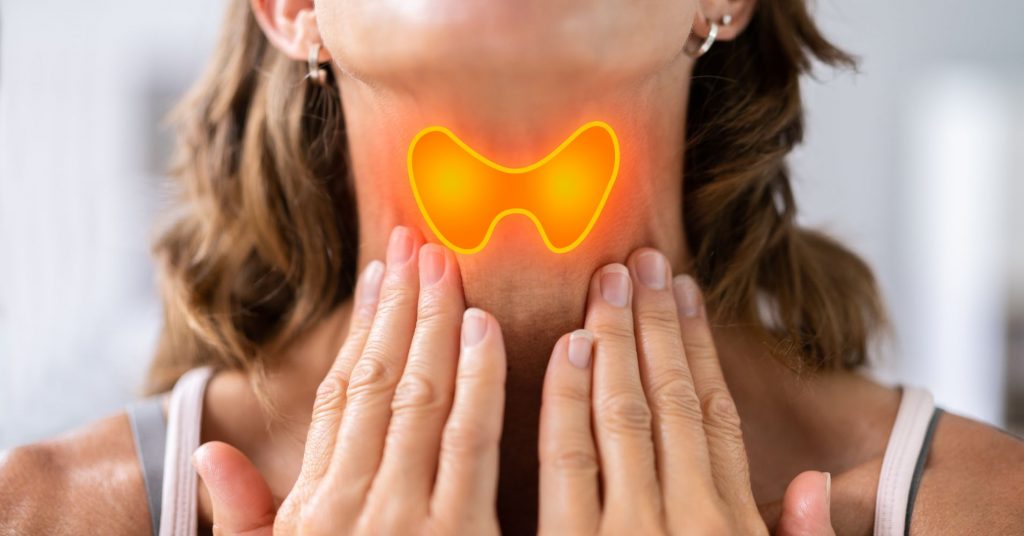
Hormones are frequently mentioned in conversations about energy, sleep, stress, metabolism, mood and healthy aging.
But many people have never received a clear explanation of what hormones actually are or how they work.
Hormones are chemical messengers. They are produced by specialized glands and tissues, travel throughout the body and help communicate instructions to particular cells and organs.
Understanding this communication system can make hormone health feel much less mysterious.
What Are Hormones?
Hormones help different parts of the body communicate with one another.
They carry signals that help coordinate important functions such as:
- Growth and development
- Metabolism and energy use
- Reproductive and sexual functions
- Stress response
- Blood glucose regulation
- Mood and emotional well-being
Different hormones carry different instructions. Some influence how the body uses energy, while others help regulate growth, reproduction, stress or other essential processes.
Hormones are important, but they are only one part of a much larger and highly connected system.
Where Are Hormones Produced?
Many hormones are produced by glands within the endocrine system.
Major hormone-producing glands and organs include the:
- Pituitary gland
- Thyroid gland
- Adrenal glands
- Pancreas
- Ovaries
- Testes
Each has a different role, but they do not operate entirely on their own.
For example, the pituitary gland produces signals that influence the activity of other glands. The thyroid produces hormones involved in the way the body uses energy. The pancreas produces hormones involved in blood glucose regulation.
The Endocrine System Is a Network
It can be tempting to think of each hormone as acting independently.
In reality, the endocrine system works more like a communication network.
A gland produces a hormone. The hormone is released and travels through the bloodstream. It then interacts with particular cells or tissues that are able to recognize its message.
A helpful comparison is a lock and key.
The hormone acts like a key, while the cell contains a matching receptor that acts like a lock. When the correct hormone reaches the appropriate receptor, the cell can receive the signal and respond.
This helps explain why a hormone does not affect every cell in exactly the same way.
What Do Hormones Influence?
Hormonal signals help coordinate many everyday processes.
They are involved when the body:
- Wakes up and prepares for the day
- Responds to stress
- Uses and stores energy
- Grows and repairs tissue
- Regulates reproductive functions
- Responds to changes inside and outside the body
However, this does not mean that every change in sleep, energy, weight, focus or mood is caused by hormones.
Many different factors can affect how someone feels, including:
- Sleep habits
- Nutrition
- Stress
- Medications
- Mental and emotional health
- Existing medical conditions
- Illness
- Changes in daily routine
Hormones are part of the picture, but they are rarely the entire picture.
Why “Hormone Balance” Is More Complicated Than It Sounds
The phrase “hormone balance” is commonly used in wellness conversations.
But hormone health is not as simple as raising or lowering one number.
Hormone levels may naturally change according to the time of day, age, life stage and other health factors. In addition, a hormone level that is appropriate in one situation may not be appropriate in another.
The body also has feedback systems that continuously adjust hormone production.
For that reason, symptoms alone cannot confirm whether someone has a hormone-related medical condition.
A qualified healthcare professional may consider:
- Medical history
- Current symptoms
- Medications
- Physical examination
- Appropriate laboratory testing
Education can help you recognize useful questions, but it should not replace proper medical evaluation.
A Better Place to Begin
You do not have to become an endocrinologist to make more informed decisions about hormone health.
A practical starting point is to:
- Learn how hormones and the endocrine system work.
- Pay attention to patterns in how you feel.
- Protect foundations such as sleep, nutrition and movement.
- Evaluate wellness information carefully.
- Ask questions before trying a new product.
- Speak with a healthcare provider about persistent or concerning changes.
Good hormone-health education should create clarity—not fear, pressure or self-diagnosis.
Have Questions About Hormone Health?
We’re here to help you find clear, easy-to-understand information.