
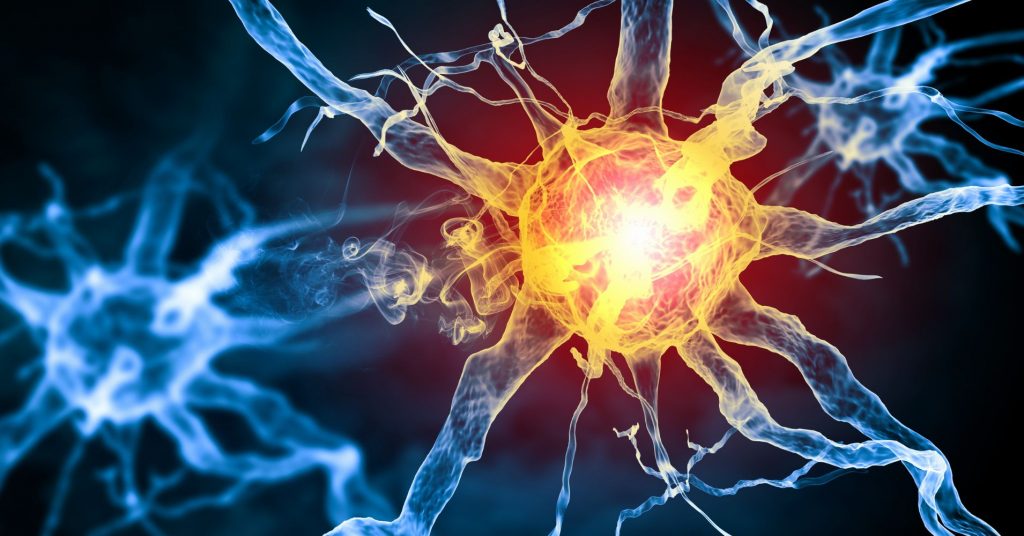
One of the easiest ways to understand hormones is to think of them as the body’s chemical messengers.
Hormones are produced by glands and other tissues. Many are released into the bloodstream, which carries them to organs and tissues throughout the body.
But sending a message is only one part of the process.
The body must also be able to recognize and respond to that message.
Step 1: A Gland Produces a Hormone
The endocrine system includes glands and tissues that produce hormones.
Examples include the:
- Pituitary gland
- Thyroid gland
- Adrenal glands
- Pancreas
- Ovaries
- Testes
Different glands produce different hormones, and each hormone carries particular instructions. For example, the pancreas produces insulin, which helps regulate blood glucose, while the thyroid produces hormones involved in metabolism.
Step 2: The Hormone Enters Circulation
After being produced and released, many hormones travel through the bloodstream.
The blood acts as a transportation system, carrying the hormonal message from the gland to other areas of the body.
Hormones do not usually travel “through cells.” They travel to cells and tissues that are capable of recognizing their signals.
Step 3: The Hormone Reaches a Target Cell
A hormone may circulate through many parts of the body, but it does not affect every cell in the same way.
Instead, it communicates with particular target cells.
A target cell contains a receptor that recognizes a specific hormone.
Step 4: The Hormone Connects With a Receptor
A receptor can be compared to a lock, while the hormone acts like a key.
When the correct hormone reaches a cell with the matching receptor, the two can connect. The cell then receives the signal and begins the appropriate response.
For example, insulin binds with insulin receptors on cells. This signaling helps regulate how glucose moves from the bloodstream into cells, where it can be used for energy.
Without the appropriate receptor, the cell may not respond to that particular hormonal message.
Step 5: The Cell Responds
Once the signal is received, the cell may change what it is doing.
Depending on the hormone and target cell, the response may involve:
- Using or storing energy
- Regulating blood glucose
- Supporting growth and development
- Responding to stress
- Coordinating reproductive functions
- Influencing metabolism
Hormones therefore help different organs, tissues and cells work together as a connected system.
Hormone Production Is Only Part of the Picture
Hormone health is not only about how much of a hormone the body produces.
The body must also:
- Produce and release the hormone.
- Transport the message.
- Deliver it to the appropriate target tissue.
- Allow the hormone to connect with its receptor.
- Produce the intended cellular response.
Medical hormone conditions may sometimes occur because the body produces too much or too little of a hormone. In other cases, the body may not respond to a hormone as expected.
This is one reason hormone health is more complicated than simply increasing or decreasing one number.
The Body Also Uses Feedback
The endocrine system continually adjusts hormone production.
When enough of a hormone or its effect is present, feedback signals may tell the body to reduce further production. When more is needed, other signals may encourage additional release.
This ongoing adjustment helps the body respond to changing needs throughout the day.
The Main Takeaway
Hormones are messengers, but healthy communication requires more than sending the message.
The hormone must reach the correct target cell, connect with the appropriate receptor and trigger a response.
Understanding this process helps explain why hormones and cells are connected parts of the same communication system.
It also reminds us that changes in sleep, energy, mood or well-being cannot automatically be traced to one hormone. Persistent concerns should be discussed with a qualified healthcare provider.
Have Questions About Hormone Health?
We’re here to help you find clear, easy-to-understand information.