
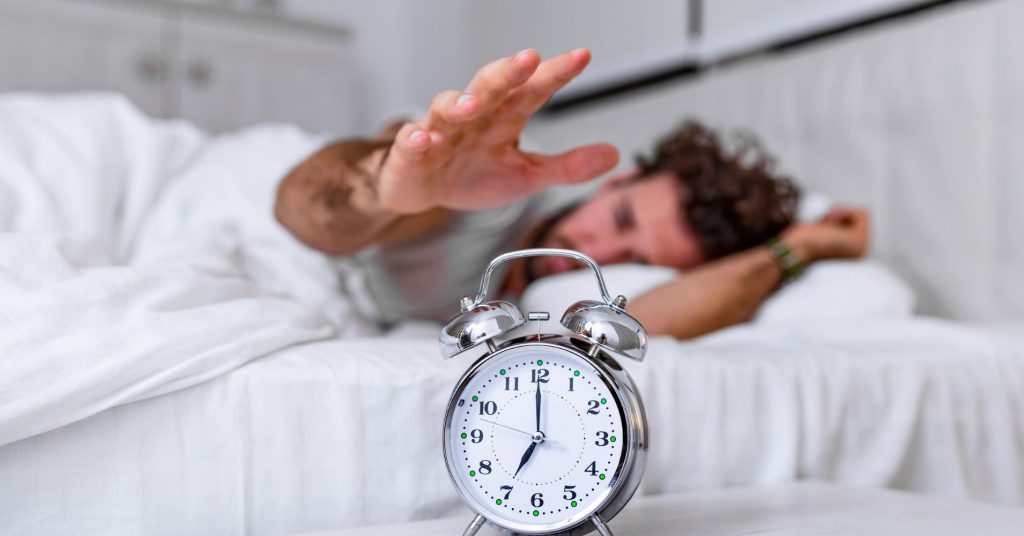
Sleep is sometimes treated as a period when the body simply shuts down.
In reality, the brain and body remain active during sleep, carrying out processes that support memory, physical recovery, emotional well-being and overall health.
Sleep and hormones also influence one another.
Hormonal signals help regulate when you feel alert or sleepy, while the amount and quality of sleep you receive can affect many processes throughout the body.
Your Body Follows a Daily Rhythm
The body contains internal clocks that generally follow a 24-hour cycle known as the circadian rhythm.
This rhythm helps coordinate your sleep-and-wake pattern with the natural cycle of day and night. It also influences cells, tissues and organs throughout the body.
Light is one of the strongest signals affecting this internal clock.
As the environment becomes darker, the body normally releases more melatonin. This hormone signals that it is time to prepare for sleep and helps create feelings of sleepiness.
Morning light helps signal that it is time to become alert and active again.
Why Sleep Matters Beyond Feeling Tired
Getting enough good-quality sleep supports more than daytime energy.
Sleep can help support:
- Attention and memory
- Mood and stress management
- Metabolism
- Heart health
- Immune function
- Safe reaction time
- Everyday physical and mental performance
Most adults ages 18 to 60 are generally advised to receive at least seven hours of sleep per night, although individual needs and sleep quality also matter.
One difficult night is common and does not necessarily indicate a health problem. Concerns become more important when insufficient or disrupted sleep becomes a regular pattern.
Hormonal and Life-Stage Changes May Affect Sleep
The relationship between sleep and hormones works in both directions.
Hormonal changes during certain life stages may affect how easily someone falls asleep, stays asleep or feels rested in the morning.
For example, some people experience sleep difficulties during the menopausal transition. Hot flashes and night sweats may interrupt sleep, and ongoing sleep loss may contribute to fatigue or memory difficulties.
However, hormones are not the only possible explanation for disrupted sleep.
Sleep may also be affected by:
- Stress or anxiety
- Pain
- Medications
- Caffeine or alcohol
- Shift work
- Changing schedules
- Noise or light
- Breathing-related sleep disorders
- Other health conditions
Persistent sleep problems should not automatically be blamed on one hormone.
Five Questions to Ask About Your Sleep
Before making major changes, take a closer look at your current routine.
1. Is your sleep schedule consistent?
Going to bed and waking up at approximately the same time each day may help reinforce your natural sleep-and-wake rhythm.
2. What happens during the hour before bed?
Bright screens, work, emotionally stimulating content and other activities may make it harder to mentally and physically wind down.
3. When do you consume caffeine?
Caffeine may remain active in the body for several hours. Consider whether afternoon or evening caffeine could be affecting your ability to fall asleep.
4. Does your bedroom support rest?
A bedroom that is dark, quiet, comfortable and free of unnecessary distractions may help create a more supportive sleep environment.
5. Is something repeatedly waking you?
Snoring, gasping, pain, frequent urination, night sweats or persistent anxiety may deserve professional attention.
Try a Simple Three-Night Reflection
For the next three nights, write down:
- What time you went to bed
- Approximately how long it took to fall asleep
- Whether you woke during the night
- What time you woke up
- How rested you felt in the morning
- Whether you used caffeine late in the day
- Whether you used screens immediately before bed
The goal is not to diagnose yourself. It is simply to notice patterns that may otherwise be overlooked.
When to Speak With a Healthcare Provider
Consider seeking professional guidance when sleep problems:
- Continue for several weeks
- Regularly interfere with work or daily activities
- Cause significant daytime sleepiness
- Include loud snoring, choking or gasping
- Occur with other persistent health changes
- Begin after starting a medication or wellness product
Healthy sleep habits are important, but some sleep concerns require proper evaluation.
Have Questions About Hormone Health?
We’re here to help you find clear, easy-to-understand information about hormone health and everyday wellness.